
Texas is a hard place to deliver dental care, and the reason is mostly arithmetic. The state is enormous, its dentists cluster around a handful of metro areas, and wide stretches of rural East, South, and West Texas are left thin. For a family two counties away from the nearest dentist who takes their insurance, distance is not an inconvenience. It is the deciding factor in whether a problem gets caught early or festers into an emergency.
So Texas tried something that would have sounded strange a decade ago. It began paying dentists, through Medicaid, to evaluate patients they are not in the same room with. The bet is that a screen can close at least part of a gap that physical dental offices never will, and that catching problems remotely beats not catching them at all.
A Quiet Rule Change With a Big Premise
The shift did not arrive with much fanfare. It came through a rule adopted by the state’s health agency, building on legislation that directed Medicaid to cover the service. Specifically, a 2025 rule established teledentistry as a reimbursable service under the Texas Health Steps program, the state’s Medicaid program for children and young people. The legislature, through House Bill 2056, had required that providers be reimbursed for teledentistry, and the agency wrote the rules to make it real.
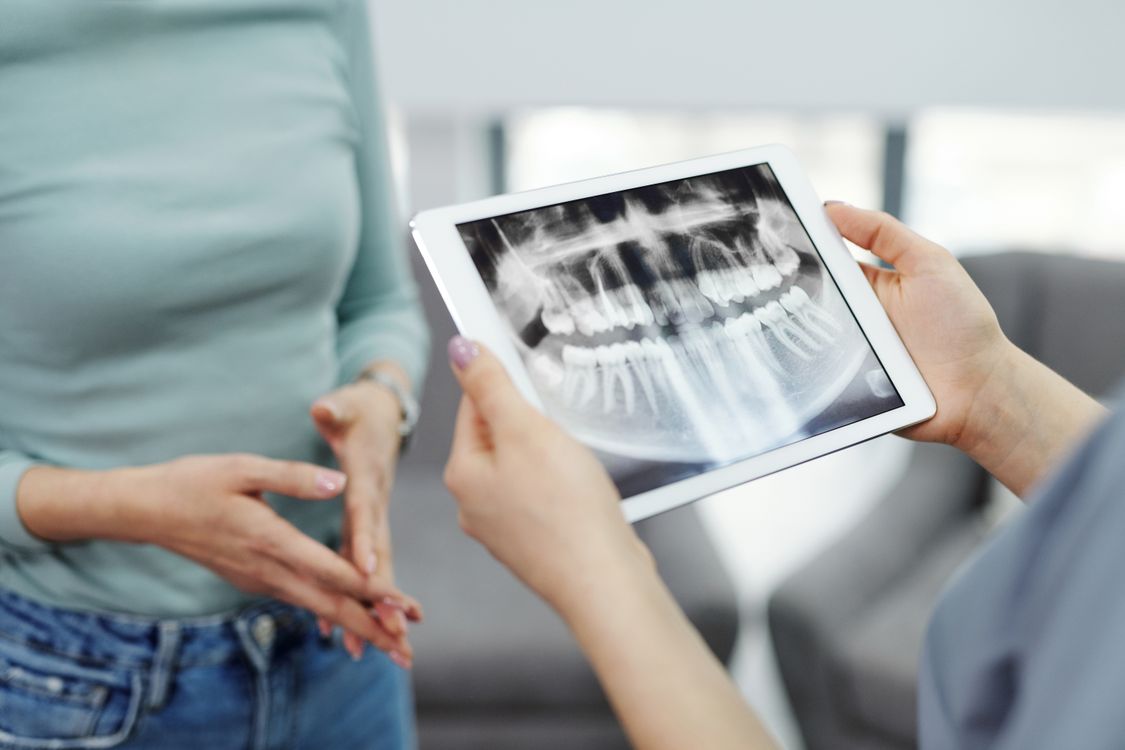
The mechanics matter, because they reveal what teledentistry actually is and is not. The covered visits use live, synchronous audiovisual technology, not recorded images sent back and forth later. A trained dental hygienist or assistant operates the equipment at the patient’s location, while the dentist conducts the evaluation remotely. The standard of care is supposed to match an in-person visit, and the patient or guardian has to agree to the format. In other words, this is a real clinical encounter conducted across a distance, not a casual video call.
The underlying premise is that the bottleneck in much of Texas is not dental knowledge but dental presence. There are not enough dentists physically located where the patients are. If a hygienist can be at a school or rural clinic with the right equipment, a dentist hours away can still do the evaluation that determines what happens next. The state decided that premise was worth paying for.
What It Solves, and What It Doesn’t
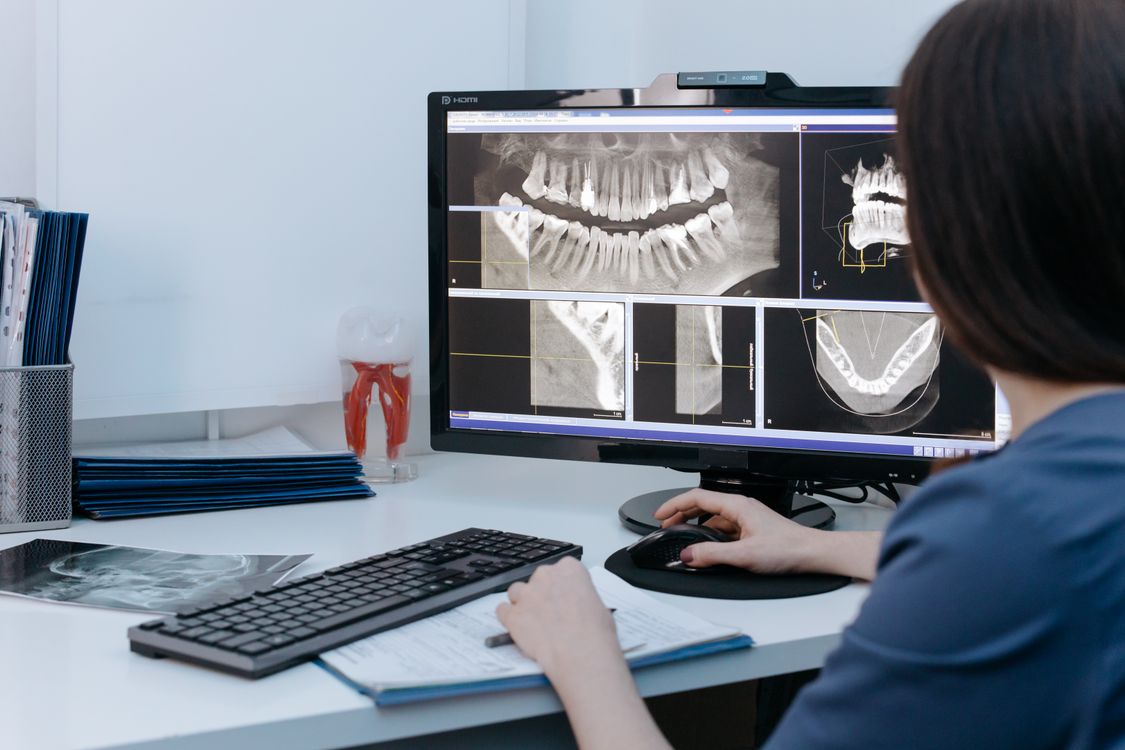
Teledentistry is genuinely useful for the front end of care. A remote oral evaluation can identify decay, flag an infection, sort the urgent from the routine, and get a child onto the right path before a small problem becomes a painful one. For families who would otherwise skip evaluations entirely because the nearest dentist is an hour away, that is a meaningful expansion of access. It also spares people unnecessary travel, which is a real cost when the trip means lost wages and a long drive.
But it is important to be honest about its limits, because overselling it would do patients a disservice. 8th District Dental says, “A camera cannot drill a cavity, drain an abscess, perform an extraction, or place a crown.” Teledentistry can determine that a patient needs hands-on treatment; it cannot deliver that treatment. For anything beyond evaluation and triage, the patient still has to get to a dentist who can physically do the work, which brings the distance problem right back.
That is why teledentistry is best understood as a bridge rather than a destination. It widens the funnel at the top, catching problems earlier and routing them appropriately. It does not, by itself, solve the shortage of dentists able to provide definitive care in underserved Texas. The patient who learns by video that they need a root canal is better off than the one who never got evaluated, but they still need somewhere to actually get the root canal.
The Emergency Gap That Remains
The hardest cases sit exactly where teledentistry runs out of road. Dental emergencies, by definition, need hands-on intervention, and they rarely happen during a scheduled remote evaluation. When a tooth becomes unbearable on a weekend in a rural Texas county, a video platform is not the answer. The patient needs a clinician who can treat the source, and needs them soon.
This is the part of the access problem that remote evaluation cannot reach. Teledentistry can reduce the number of problems that escalate into emergencies by catching them early, which is valuable. But for the emergencies that still happen, and they will, the question is the same one rural Texans have always faced: who can actually treat this, and how fast can I get to them? When the nearest option that is open is a hospital emergency department, the patient gets pain relief but not a fix, and the underlying problem waits.
The scale of the problem helps explain the experiment. Texas has roughly 54 dentists for every 100,000 residents, below where it needs to be, and that thin average masks sharp regional gaps as general dentists concentrate around Houston, Dallas, and the other metros. State projections have warned of worsening shortages in several rural regions for years to come. Against that backdrop, a remote evaluation documented with a single real-time encounter code is less a gadget than a triage tool for a state too big and too unevenly staffed to reach everyone in person.
Texas paying for teledentistry is a sensible response to a brutal geography, and it will help. It is also a reminder of what technology can and cannot do. Screens can extend a dentist’s reach. They cannot replace the moment when someone in real pain needs real, in-person, urgent treatment, and that moment is where the access gap in Texas is still the widest.
