
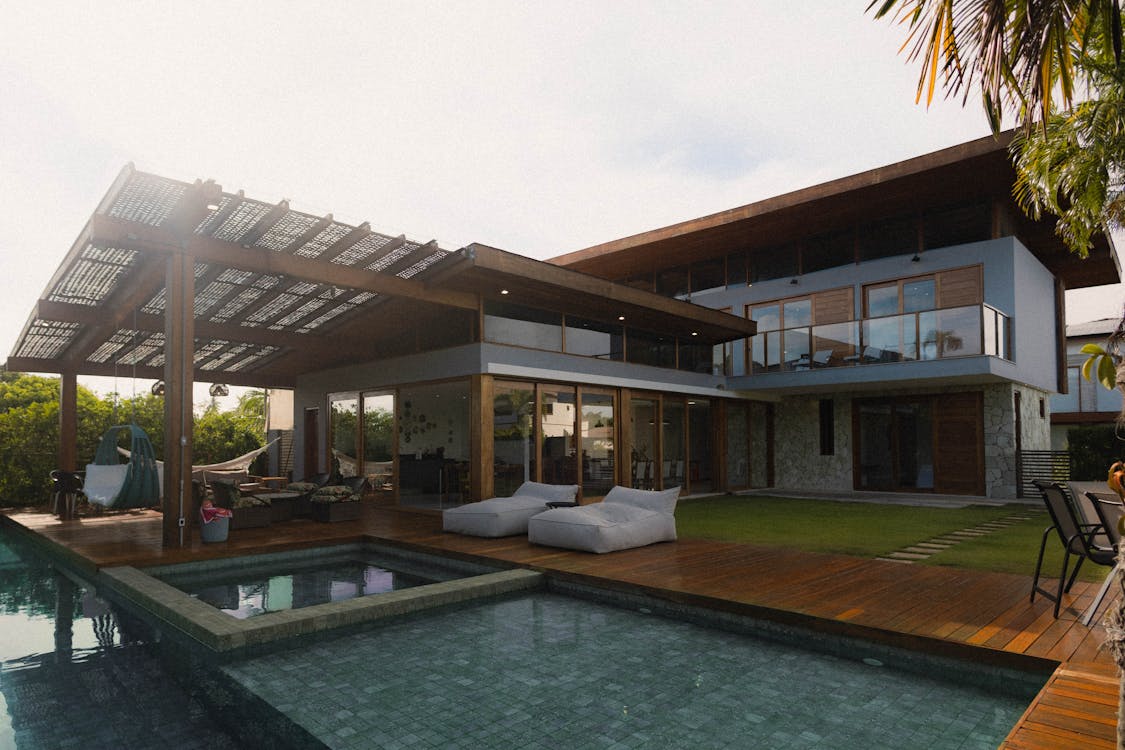
Something quietly shifted in the Del Mar housing market over the past year, and it is changing how owners spend on their properties. The detached-home picture early in 2026 showed inventory in the 92014 zip code had fallen more than 40 percent year over year, leaving the community with under three months of supply.
When there is almost nothing to buy, the math of moving changes. An owner who might have traded up for a better view or a bigger lot looks around, sees no compelling options, and decides to stay. And owners who stay tend to reinvest in the home they already have, often starting in the backyard.
The Trade-Up Stall and What It Triggers
Low inventory is not a new feature of Del Mar. The village is small, land is effectively fixed, and longtime owners hold their homes for years. But a sharp year-over-year drop tightens the screws further. The handful of listings that do appear are either priced at the top of the market or snapped up fast.
For an established owner, that creates a peculiar form of gridlock. Selling is attractive on paper, but the replacement problem is real. Where do you go that is better, in the same walkable stretch near the beach, without overpaying in a thin market? For many, the honest answer is nowhere obvious.
So the renovation budget that might have funded a move gets redirected. And in a coastal climate where the yard is usable most of the year, the highest-impact place to spend is outside. Outdoor living areas, kitchens, pools, and terraces all get a second look when relocating stops making sense.
This is not speculation about taste. It is a predictable response to a stalled trade-up ladder. When horizontal movement freezes, investment turns vertical, into the property itself.
Why Outdoor Space Absorbs the Spending First
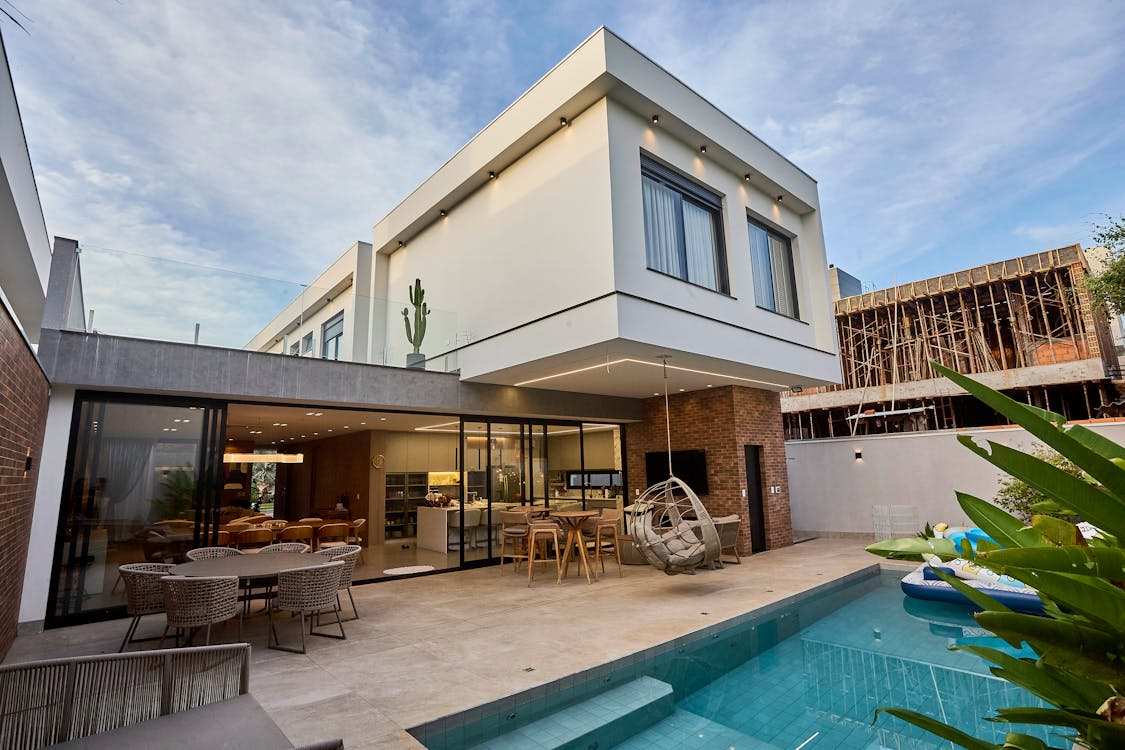
There is a reason the backyard, rather than the kitchen or primary suite, tends to capture this redirected budget in coastal Southern California. The weather makes outdoor square footage genuinely usable, which means a dollar spent there returns daily, not just at resale.
A covered patio with a fireplace extends the evening into the cooler months. A built-in grill and bar turn weekend hosting into something that happens at home instead of out. A reworked pool deck in cool-underfoot stone changes how the whole rear of the property functions. These are lifestyle upgrades that also happen to read well to a future buyer.
The resale logic reinforces the lifestyle logic. In a market defined by scarcity, the features buyers cannot easily find elsewhere carry a premium, and a fully realized outdoor living space is exactly that kind of feature. It is hard to replicate on a different lot and expensive to add late, so a finished one commands attention.
Owners also tend to phase this work, which suits a stay-put strategy. A terrace this year, an outdoor kitchen the next, lighting and planting after that. The property improves in stages without the disruption and cost of a full move.
Phasing has a second advantage in a thin market: it keeps options open. An owner who improves gradually can stop, sell, or keep going depending on where prices head, rather than committing everything to a single all-at-once renovation. In a community where listings are scarce and timing is uncertain, that flexibility is worth something on its own.
There is also a neighborhood effect at work. When a few owners on a street invest in their outdoor spaces, the bar quietly rises for everyone else, and the homes that look dated outside start to feel that way by comparison. Scarcity keeps people in place, and proximity keeps them improving, each yard nudging the next.
The climate makes the calculation easier to justify. In much of the country an elaborate outdoor renovation buys a few warm months of use a year, but coastal San Diego’s mild stretch runs long enough that a well-built patio, kitchen, or pool deck gets used across most of the calendar. The return, measured in days actually spent outside, is simply higher here than almost anywhere else, which is part of why owners are comfortable spending on it instead of moving.
Reading the Market Signal Correctly
It would be easy to misread the inventory drop as simple weakness. The fuller picture is more nuanced: fewer homes for sale, longer days on market for the listings that exist, and sellers receiving close to their asking prices when properties are well prepared. That is a market that rewards patience and presentation, not panic.
For owners, the strategic read is that improving the home you intend to keep is rarely wasted effort here. If you eventually sell into a supply-starved market, a property that shows beautifully outdoors stands out. If you keep it, you have spent on space you actually use.
None of this means values only go up or that every dollar in the yard returns at resale. Markets correct, and over-improving beyond a neighborhood’s ceiling is a real risk anywhere. An owner weighing a major outdoor project should treat it first as a lifestyle decision and second as an investment, and price it against comparable finished properties nearby.
But the underlying behavior is clear enough. When the market gives owners few good reasons to leave, they pour their attention into the ground they already own. In Del Mar, that ground is increasingly the backyard.
