
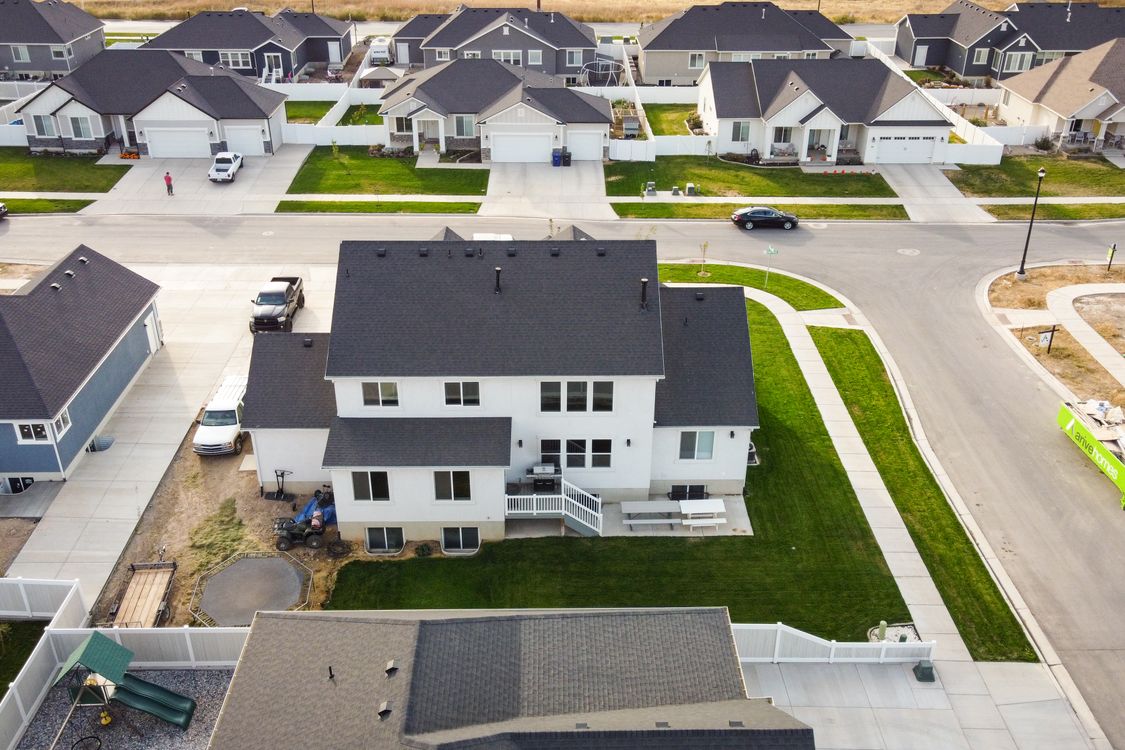
Impact-resistant roofing has become increasingly relevant in hail-prone parts of Texas because some insurers offer discounts or other underwriting benefits for qualifying products. For Austin homeowners, the important detail is the shingle’s tested impact rating and the terms of the individual policy.
The shift isn’t cosmetic. It reflects how expensive hail has become for insurers operating in Texas, and how directly roof material choice now affects what a household pays every year.
Severe convective storms, the category that includes hail, tornadoes, and damaging wind, generated more than $51 billion in insured losses nationwide in 2025, the third consecutive year the figure topped $50 billion. The Insurance Information Institute’s Triple-I research division, which tracked that number, also found that hail accounts for as much as 80% of severe convective storm claims in a typical year.
Roofs absorb a disproportionate share of that damage relative to other parts of a home. Industry loss data consistently points to roofing as the largest catastrophic exposure category on a typical residential policy in hail-prone regions.
That is why some carriers use impact-resistant roofing as a pricing or underwriting factor rather than treating every roof covering as equivalent.
How Roof Material Became a Direct Lever on Premium Pricing
Class 4 is the highest classification under UL 2218, a laboratory impact test used for roofing materials. The rating is useful, but it should not be read as a guarantee that a shingle will be undamaged by every hailstorm.
Part of the reasoning is straightforward loss math. Roofs absorb an outsized share of total catastrophe payouts, and a shingle that survives hail without granule loss or cracking reduces the odds of a claim in the first place.
Insurance incentives vary by carrier, policy, location, and product. A Class 4 roof may qualify for a discount with one insurer and receive different treatment with another, so the policy language matters more than any statewide rule of thumb.
From an underwriting perspective, the logic is preventive: a roof covering that performs better under impact may reduce the probability or severity of a future claim.
That makes impact resistance worth discussing during a replacement, especially when a homeowner is already choosing among comparable architectural shingle lines. An Austin roofing company quoting Class 4 shingles should be able to identify the exact product, rating, warranty, and insurer documentation the homeowner may need.
Why the Push Intensified After Repeated Hail Seasons Rather Than One Bad Year
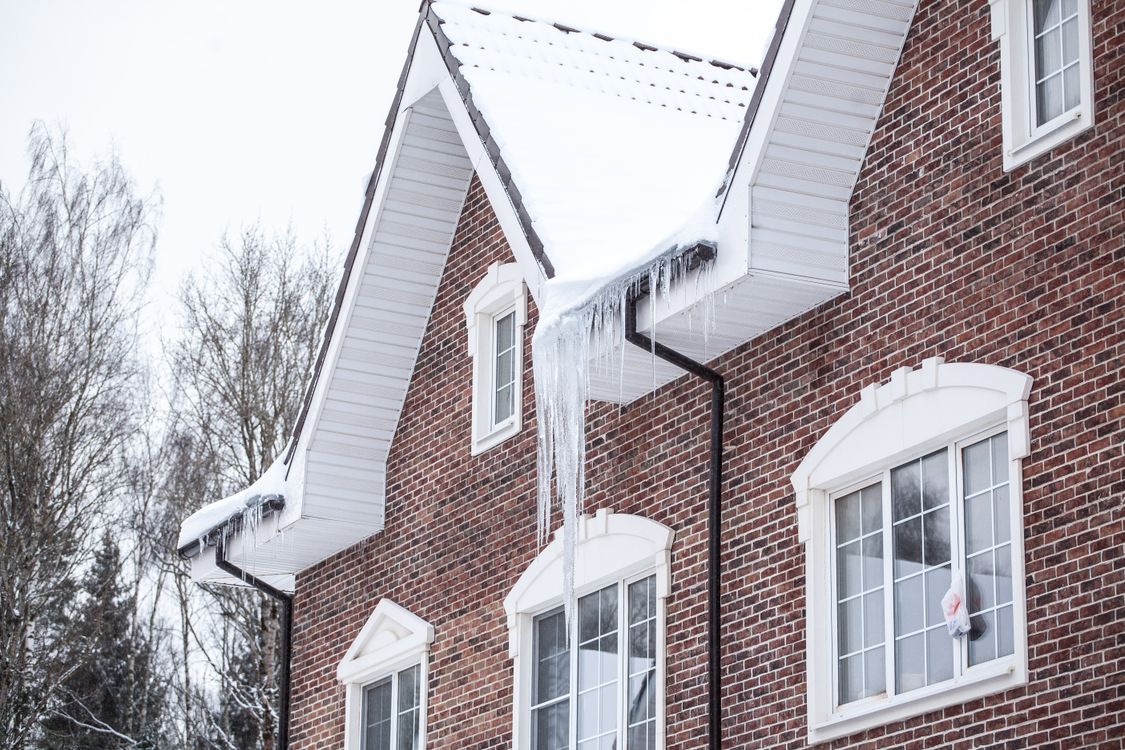
Texas has topped national hail-damage rankings for more than a decade running, which changes how insurers model risk. A single catastrophic season can be absorbed through reinsurance and rate adjustments. A decade-long pattern forces carriers to rethink underwriting at the product level.
That distinction matters. Insurers aren’t reacting to this year’s storms in isolation. They’re pricing in an expectation that similar seasons keep arriving.
Repeated hail losses also encourage insurers to rely on multi-year risk data rather than treating one quiet season as proof that the underlying exposure disappeared.
Some policies ask for documentation about roof age, material, or impact rating. The exact requirements differ by carrier, so homeowners should confirm what documentation their own insurer wants before assuming a particular product will change the premium.
That is also why it is worth saving invoices, product names, warranty paperwork, and any impact-resistance documentation after a roof replacement.
There is no single Austin-wide renewal rule for Class 4 shingles. The useful takeaway is narrower: impact rating can affect insurance economics, and the benefit should be verified with the carrier rather than assumed.
What Homeowners Are Weighing Beyond the Discount Itself
The upfront cost difference between Class 4 and standard architectural shingles has narrowed in some product lines but still represents a real premium, one homeowners have to weigh against the annual insurance savings and the reduced odds of a future claim. For a household planning to stay a decade or more, the math tends to favor the upgrade.
For homeowners expecting to sell soon, the calculation is less certain. A newer impact-rated roof can still be a positive feature, but buyers and appraisers will weigh it alongside roof age, condition, warranty coverage, and the rest of the property.
Homeowners associations can also have their own architectural requirements for roof materials and appearance. Anyone considering a different shingle class should check those rules before ordering materials rather than assuming an insurance incentive overrides them.
The insurance industry’s own loss data, not marketing from roofing manufacturers, is driving this shift. As long as severe convective storm losses keep clearing the $50 billion threshold nationally, Texas carriers have little reason to soften their stance on impact-resistant materials.
