
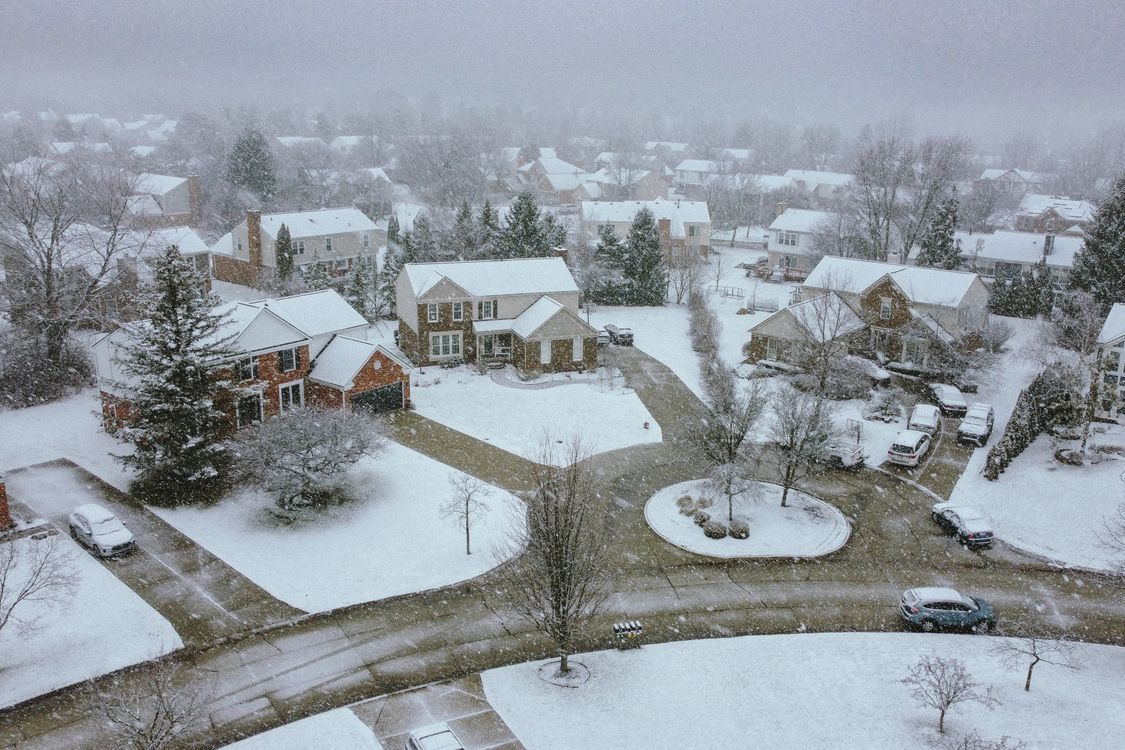
Hail is Alberta’s problem, not Toronto’s, or so the conventional wisdom goes. But a destructive 2025 hailstorm out west put a question into GTA homeowners’ minds that is worth taking seriously: how well would my roof actually handle being hit?
The question is reasonable even in a city where hail is a minor risk, because the materials and detailing that resist hail also tend to resist the wind and ice that Toronto does get in abundance. Impact resistance is rarely a roof’s only virtue.
The storm that made the news
A July 2025 hailstorm in Calgary saw its insured-damage estimate climb to $164 million, nearly double the first projection, with much of the claim volume tied to property and vehicles.
Alberta lives inside “Hailstorm Alley,” so the event was not a freak occurrence there, and it followed an even more destructive 2024 storm. The reason it resonates in Toronto is that severe convective storms, the kind that produce damaging hail, are not strictly a prairie phenomenon anymore, and the GTA gets its share of violent summer cells.
What “impact rating” actually means
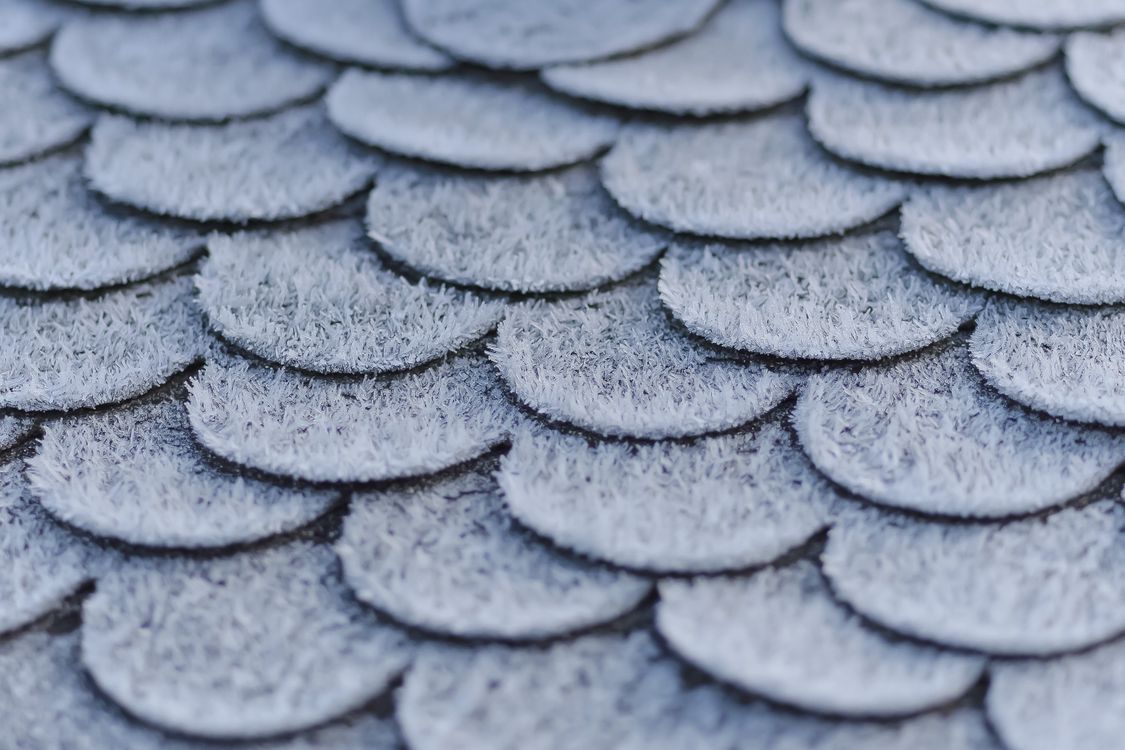
Roofing materials carry impact ratings, commonly the UL 2218 classes, that measure how a product holds up when struck by a standardized impactor meant to simulate hail. Class 4 is the top tier, designed to resist the kind of hail that cracks, bruises, or dislodges a standard shingle.
The rating is not marketing fluff. A bruised shingle, where the impact fractures the mat without obviously breaking the surface, can fail prematurely and is a common source of disputed insurance claims. A higher-rated product is built to take the hit without that hidden damage.
How materials compare
Metal roofing generally carries strong impact and hail ratings, which is part of why it performs well in storm-prone regions and why some insurers look on it favourably. A dent in a metal panel is usually cosmetic rather than a path to a leak.
Asphalt shingles vary widely. The premium impact-rated lines hold up well, while the cheapest three-tab products are the most vulnerable to cracking and granule loss. So the real question is less “asphalt versus metal” than “which specific product, at which rating,” and a knowledgeable installer can walk you through the options rather than leaving you to guess from a brochure.
Whether a Toronto homeowner should care
For now, hail is a smaller risk in the GTA than ice, wind, and intense rain, and it would be a mistake to choose a roof on hail resistance alone. The bigger threats here are the freeze-thaw cycle and wind uplift, and a roof should be specified for those first.
The honest framing is that impact rating is one input among several, alongside lifespan, snow-shedding, fire rating, and cost. A roofer who can explain how each system handles the specific risks of a Toronto winter, rather than simply selling the highest number on the shelf, is the one giving you a decision you can actually stand behind.
