
Most people think about home security right after something goes wrong nearby. A neighbour’s place gets broken into, the street chat lights up, and suddenly everyone is checking their locks. The data suggests that reactive habit is leaving a lot of Victorian homes exposed.
The latest figures are not subtle, and they point to some surprisingly basic vulnerabilities.
The Numbers Behind the Headlines
The Crime Statistics Agency recorded 30,545 residential burglaries in Victoria for the year to 30 June 2025, an increase of almost 14 per cent on the year before. That works out to a home being burgled somewhere in the state roughly every 20 minutes.
The hotspots are not all where people assume. Stonnington topped the list by rate, followed by Yarra and Port Phillip, with established inner and eastern suburbs featuring heavily alongside regional centres. Affluence is no shield; if anything, it can attract attention.
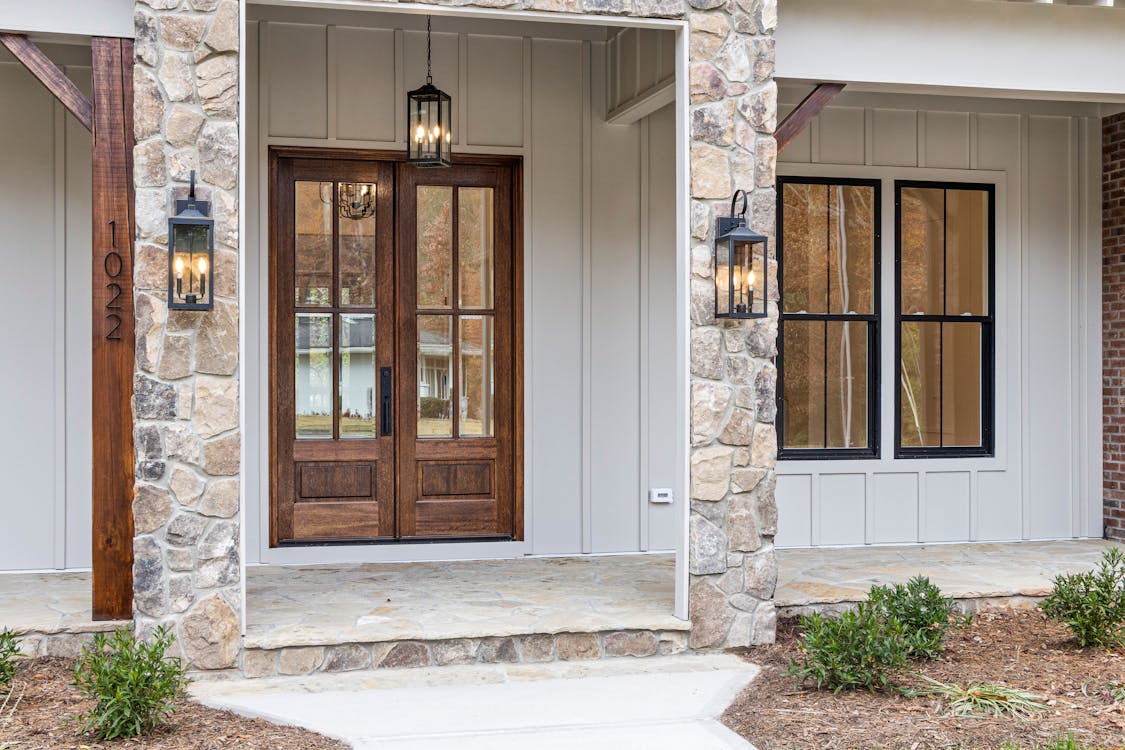
Perhaps the most useful detail for homeowners is how offenders get in. Doors are the most common entry point, followed by windows, and about one in nine burglaries shows no sign of forced entry at all. A meaningful share are opportunistic, relying on something being left open or unlocked.
That last point reframes the whole problem. A lot of break-ins are not sophisticated. They are a matter of someone trying a handle, spotting an open window, or finding a quiet side of the house out of view.
Why Physical Barriers Still Matter Most
Alarms and cameras get most of the attention, and they have their place. But they largely work after the fact, by recording or alerting. They do not physically stop someone getting in.
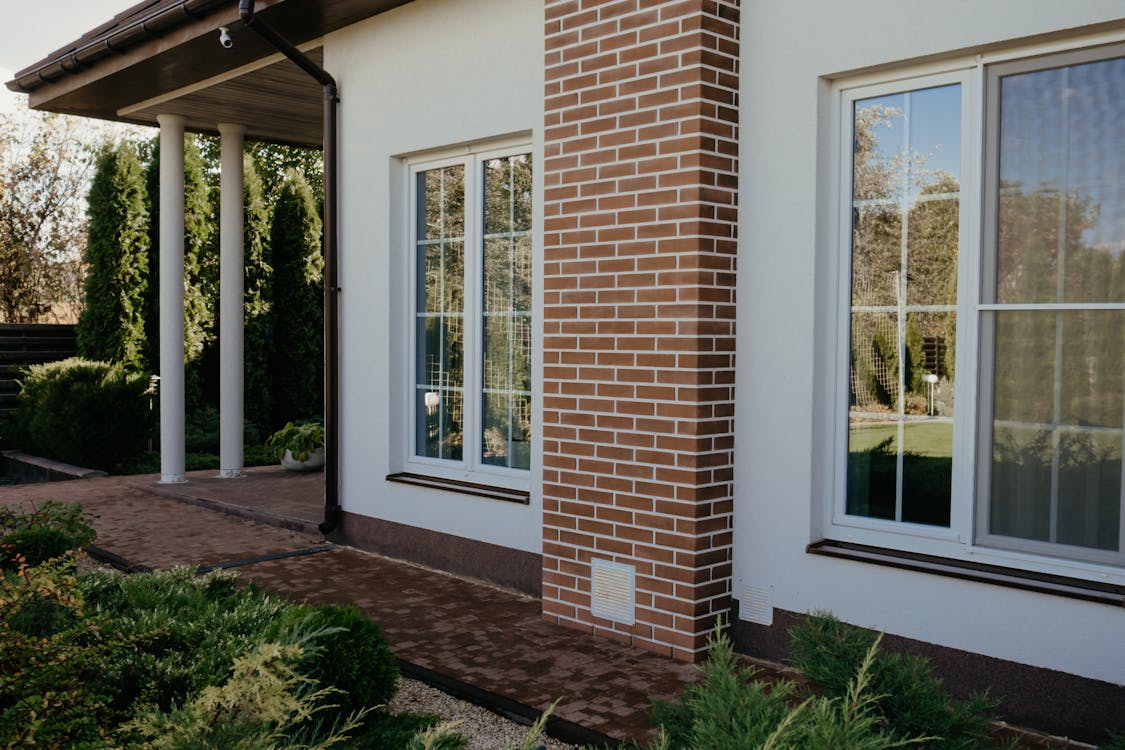
Windows are a particular weak spot because they are both an entry point and a display case. A would-be intruder can see what is inside and, on standard glazing, get through with relatively little effort or noise.
This is where physical deterrents earn their keep. A visible, solid barrier over a window changes the calculation for an opportunist who wants speed and quiet. Many homeowners install roller shutters specifically for enhanced window security, because a closed shutter both hides what is inside and presents a physical obstacle that takes time and force to defeat.
Time and noise are exactly what opportunistic offenders are trying to avoid. Anything that makes a target slower and louder to enter tends to send them looking elsewhere.
Layering Your Defences
Security experts consistently describe good home protection as layered rather than reliant on any single device. The idea is that each layer adds friction, and friction is what deters.
The cheapest layer is habit: locking doors and windows even when home, keeping keys away from entry points, and not leaving the house looking empty. The next layer is visibility, including lighting and clear sightlines so a home does not offer concealment. Physical barriers on vulnerable openings form another, and alarms or cameras sit on top.
The reassuring takeaway from the statistics is that you do not need to turn your home into a fortress. Because so much offending is opportunistic, even modest improvements that make a property harder and slower to enter can move it out of the easy-target category.
With burglaries trending upward across much of the state, the case for being proactive rather than reactive has rarely been clearer. The homes that fare best are usually the ones that addressed the obvious weak points before they had a reason to.
