
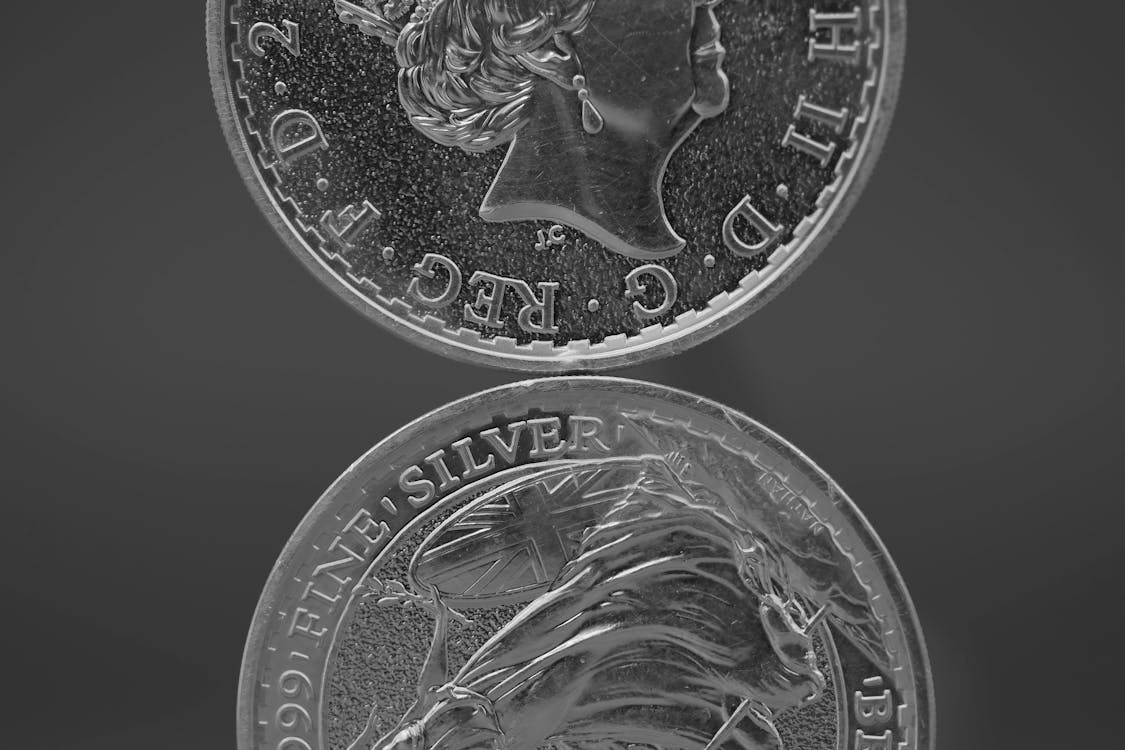
A sudden economic storm can leave even seasoned savers feeling queasy about paper assets. Silver has a long track record of behaving like a safety net when trust in banks or currencies slips.
It offers a blend of industrial use and role as a store of value that many people find comforting. In uncertain times the metal often acts like a bridge between raw utility and old fashioned safe haven appeal.
A Brief Look At Silver Through Crisis
Silver has moved in striking ways during past shocks, from sharp rallies to sudden dips that reward those with patience. Governments and private citizens have turned to the metal when confidence in paper money faltered, and coins and bars have changed hands in markets large and small.
The history shows that silver reacts both to monetary stress and to sudden jumps in industrial demand. That dual nature gives silver a role that is not exactly the same as other precious metals.
Demand Beyond Bullion
Silver sits inside many modern devices and tools that people use every day, and that steady need keeps a floor under prices at times when speculative flows dry up. Solar panels, medical instruments and electronics all require silver for its unique properties that are hard to replicate.
Industrial buying mixes with collector and investor demand, so swings in one area can be cushioned by strength in another. That split use adds layers of support that pure investment metals lack.
Supply Constraints And Mining Realities
Bringing new silver to market takes time and money, and much of what is mined comes as a byproduct of other metals. Exploration budgets have been tight for years, so fresh discoveries are not plentiful and large new mines are rare.
Recycling adds metal back into the stream but it follows price signals and many items are not easily reclaimed. The mismatch between slow supply response and sudden spikes in demand can set the stage for sharp price moves.
Liquidity That Fits In Your Pocket
Small silver coins and fractional bars let ordinary savers move into a tangible asset without a huge outlay, and that ease of entry helps liquidity at both the retail and wholesale level. Local dealers, online platforms and auction houses create a network where metal can change hands quickly when cash is needed.
In times of stress being able to sell an asset in a day matters a great deal. That portability and market depth make silver attractive to people who want a quick option when conditions tighten.
Silver Compared To Gold
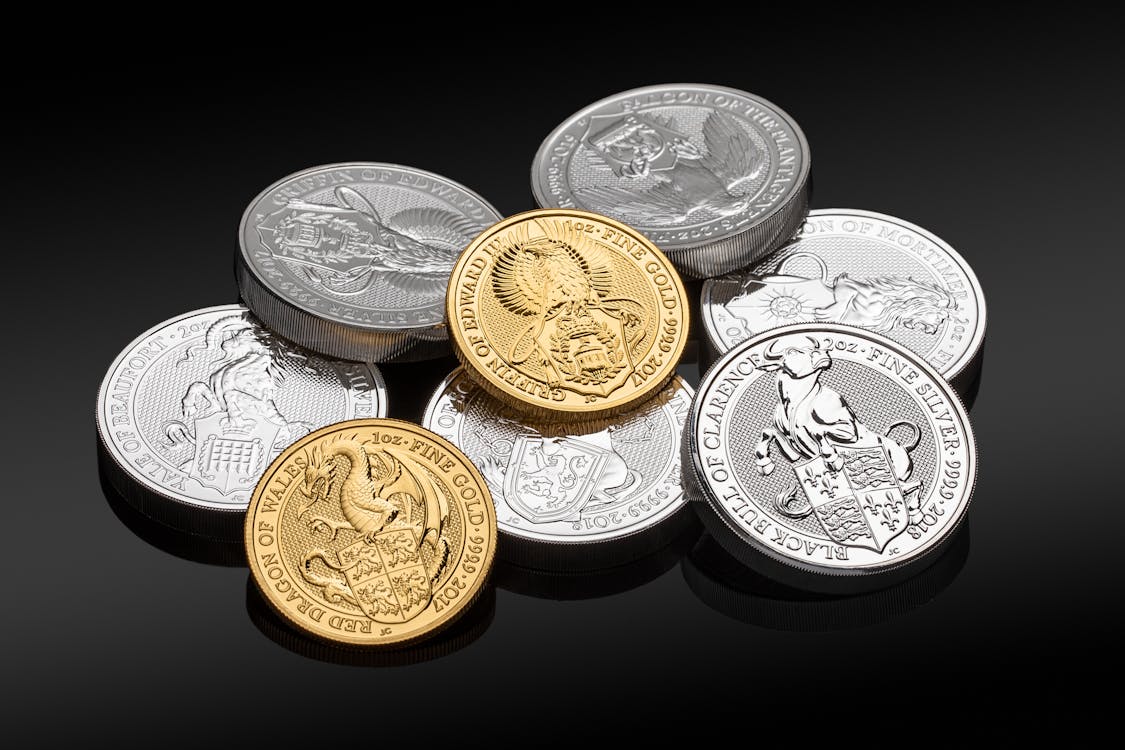
Gold often steals headlines, but silver has its own rhythm and can sometimes outperform on the upside during rapid rallies. The market for silver is smaller and more prone to sudden shifts, which raises both risk and the chance of outsized gains.
For many investors silver is a way to add precious metal exposure at a lower entry cost than gold. The two metals often move together, yet each has unique triggers that can create different outcomes.
Inflation, Currency Weakness And Price Support
When money supply swells and purchasing power erodes, hard assets tend to gain attention from people seeking refuge from paper losses. Silver benefits when coins and bars are bought to protect wealth, while at the same time industrial demand can push prices higher if economic activity holds up.
Periods when markets feel shaky demonstrate that economic uncertainty increases demand for silver assets, driving physical purchases and collector interest.
Currency shocks prompt private hoarding in many regions where trust in banks is thin, and that physical demand can be decisive in tight markets. Holding metal can feel like keeping part of your estate outside systems that might falter.
How Investors Can Hold Silver
There are many routes to exposure that fit different comfort levels, from passing coins to fully allocated vault accounts that store metal for you. Physical ownership offers direct control but comes with the need for safe storage and insurance, and that is a trade off many people weigh carefully.
Exchange traded products and mining shares offer paper like convenience and can be moved in minutes, yet they carry counterparty and operational considerations. Blending a few methods can let someone keep a stake in silver while managing cash flow and access.
Common Risks And How To Manage Them
Volatility is part of silver life, and price swings can be rapid and wide, which means timing can hurt a novice who chases quick profits. There are storage and theft worries with held metal, and paper alternatives bring trust and operational exposure to banks and custodians.
For risk control it helps to size positions that do not disrupt core savings, and to hold a mix of short term cash and longer term tangible assets. Use clear rules for buying and selling and keep a calm head when headlines scream.
