
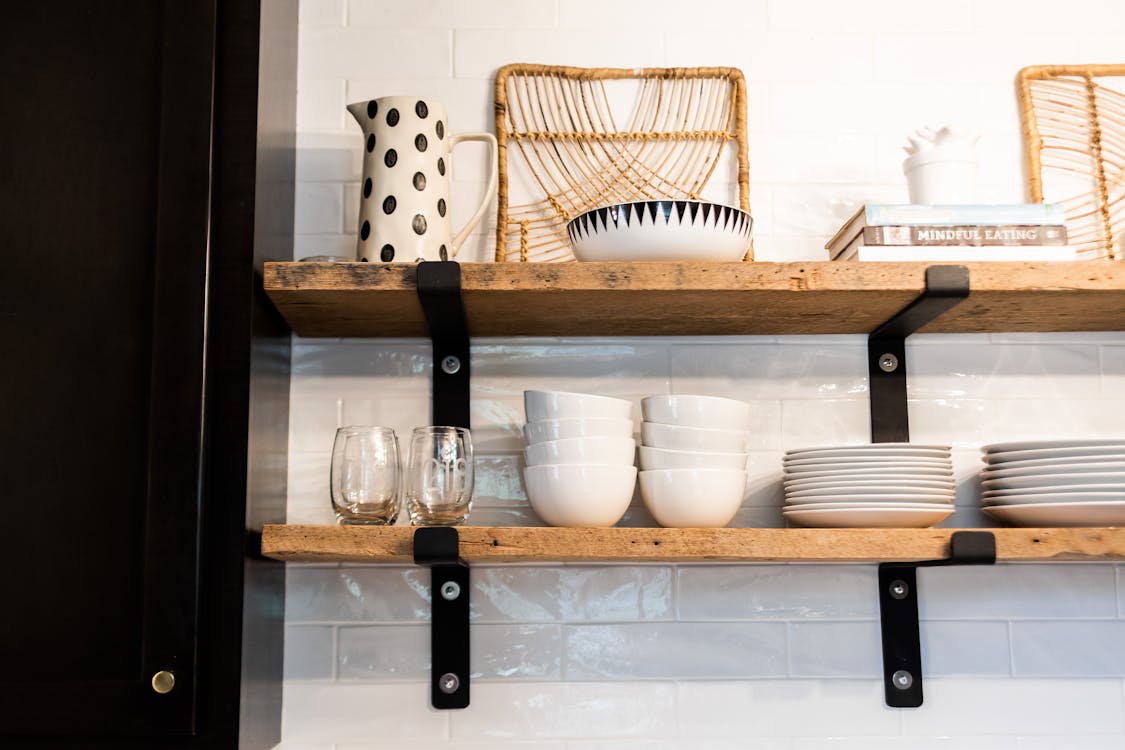
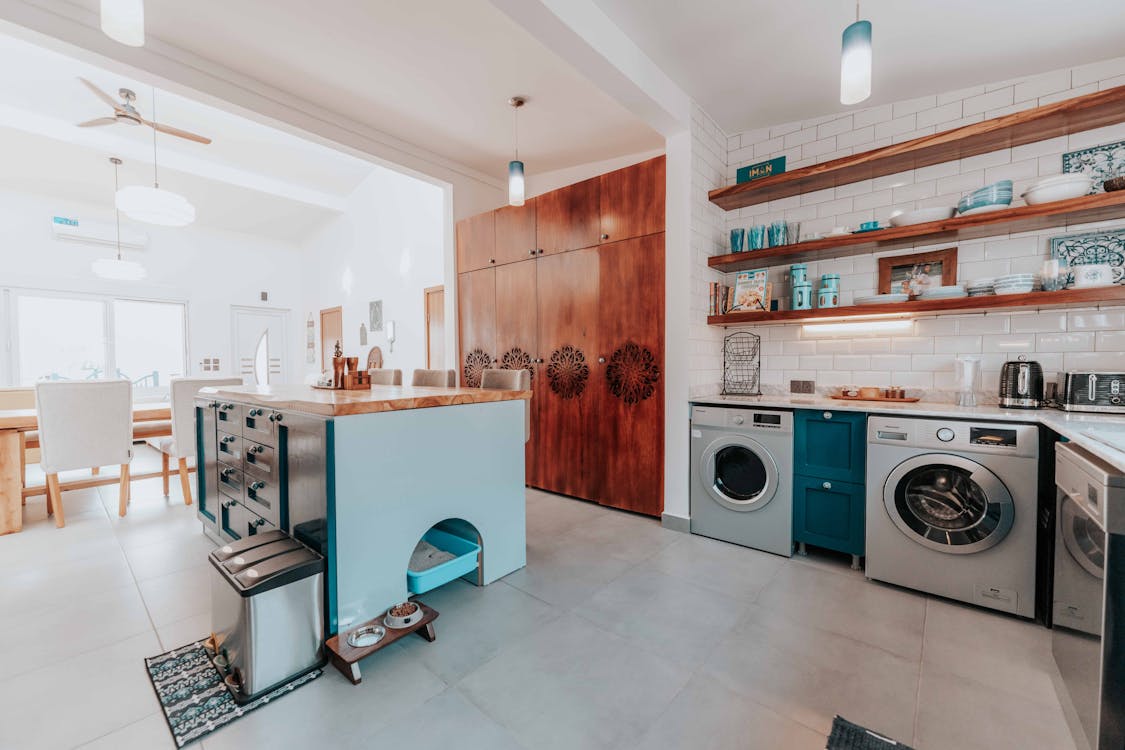
Open shelving can bring a fresh breath to a kitchen by showing off favorite dishes and freeing up visual space. It changes how people move through meal prep and lets everyday objects become part of the decor.
Many homeowners like the casual vibe that open shelves create while cooks value quick access to plates and pans. The choice rests on lifestyle, storage needs, and how much time one will spend on tidy displays.
Benefits Of Open Shelving
Open shelving creates a sense of openness that can make a small kitchen feel larger and more airy. Items that are used often stay within reach so less time is spent hunting for the right cup or spice jar.
Shelves give homeowners a place to showcase attractive pieces and family heirlooms, turning storage into decoration. When done well, these displays make the space feel lived in and welcoming rather than staged.
Challenges Of Open Shelving
Dust and grease collect more easily when cabinets are out in the open, so regular care is part of the deal. Clutter becomes obvious fast, which means a commitment to organization and a willingness to keep only what looks good on display.
Not every utensil or appliance lends itself to display, so closed storage will still be needed for odd shaped items and bulk goods. Lighting and shelf depth must be planned carefully or the result can feel makeshift instead of intentional.
Styling Open Shelves For Everyday Use
Group similar items together to create a rhythm that is pleasing to the eye and simple to maintain. Vary the height and depth of objects to avoid a flat line and to guide the gaze naturally across the shelf.
Neutral palettes make the whole look calmer, while a handful of colorful pieces can act like punctuation marks. Keep frequently used items at reachable heights so style does not get in the way of function.
Storage Ideas That Work
Use uniform containers for dry goods to give a grocery store neatness that reads well on open shelves. Stack plates and bowls in small towers to save space and add an architectural feel without clutter.
Consider baskets or boxes with cutouts to store small tools and keep them hidden yet accessible when needed. Keep heavy pots and pans lower down where they are easy to lift and less likely to tip.
Cleaning And Care
A quick wipe of the front surfaces every few days keeps dust from settling and reduces the need for deep cleaning. For grease prone areas near the stove, a mild cleaner used regularly prevents buildup that can stain or dull finishes.
Remove items periodically and wash them on the spot so the shelf itself gets a once over at the same time. Treat wood and metal shelves to appropriate products so the surface stays sound and looks cared for.
Material Choices And Finishes
Solid wood brings warmth and can age gracefully with oil or wax finishes that hide small scratches over time. Metal shelves feel industrial and can be easier to clean, but they show fingerprints and smudges unless treated with a protective coat.
Glass shelves reflect light and keep sight lines open, though they demand more frequent cleaning and must carry loads safely. If you’re planning a kitchen renovation, incorporating open shelving with a professional kitchen design in London Ontario can ensure both style and functionality are balanced.
Blending Shelves With Cupboards
Pair open shelving with closed cabinets to hide the less photogenic items and store bulk supplies out of view. Use a band of shelves between upper cabinets to create a breathing space that keeps the kitchen from feeling boxy.
Closed doors give a backdrop that makes the items on display read as chosen and curated rather than accidental. This approach lets a homeowner have an easy rhythm of grab and go while keeping clutter tamed.
Placement And Sight Lines
Install shelves at heights that align with natural reach so users do not strain or shuffle awkwardly while cooking. Keep the most attractive items at eye level where they catch attention without getting in the way of task surfaces.
Shelves above countertops should allow for easy work under them, with enough clearance for prep tools and mixers. Pay attention to sight lines from key vantage points so the arrangement reads well from the dining area and entry.
Budgeting And Practical Costs
Open shelving can reduce the expense of full cabinetry, but hardware and quality materials still add up if durability is desired. DIY installations save labor costs but require careful anchoring to studs or wall plugs to avoid disasters when heavy items are placed on the shelf.
Consider the trade off between initial savings and the time investment in cleaning and styling that open shelves demand. Small choices in wood grade, bracket strength, and finish often make the biggest difference in both look and long term wear.
