
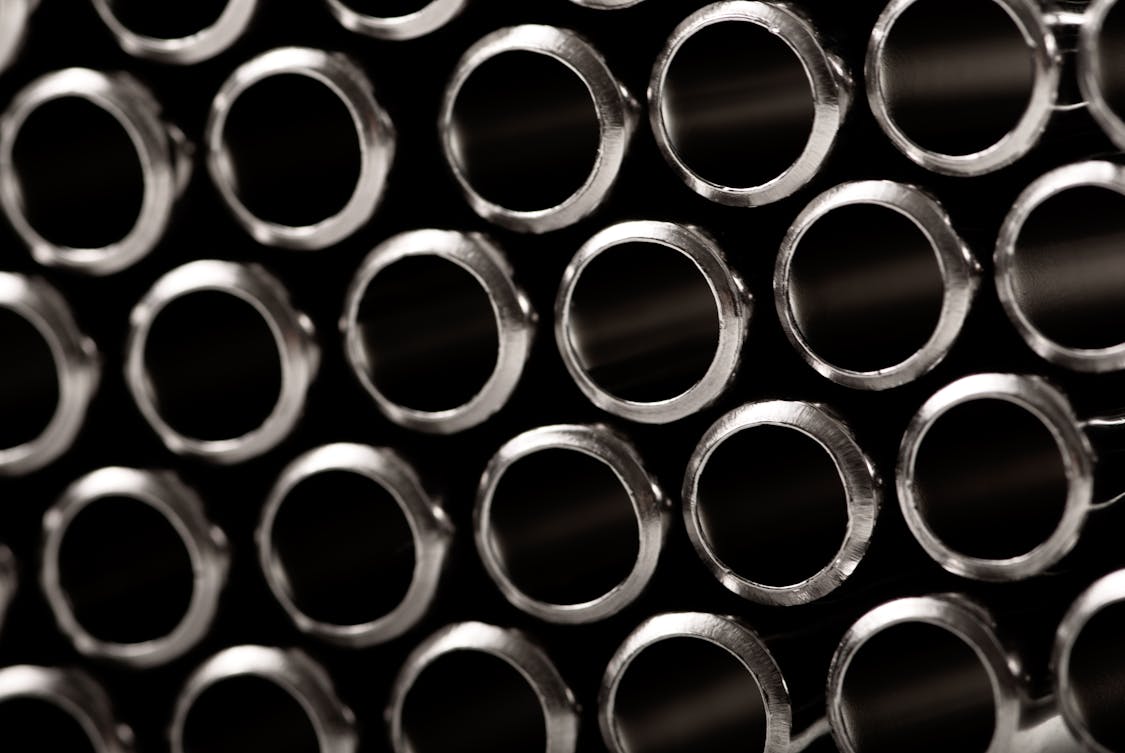
Pipelines and process lines face an unending battle with chemical attack, mechanical wear, and changing service conditions that shorten their useful life. Selecting the right alloy can extend service life by years and cut down on unplanned outages and emergency repairs.
Engineers aim to match metal chemistry and microstructure to the specific corrosion mechanisms found in each application so routine maintenance does not become a daily chore. In many plants the motto is better safe than sorry, and alloy choice often proves the difference between frequent patchwork and steady operation.
Material Selection And Corrosion Mechanisms
Choosing a metal is not simply a matter of picking a name off a catalog. Teams must map the likely modes of attack such as uniform corrosion, pitting, crevice corrosion, stress corrosion cracking, and galvanic corrosion to the fluids, temperatures, and flow regimes they will face.
Metallurgical features including grain size, phase balance, and the presence of second phases play a direct role in how an alloy resists localized breakdown. The trade offs among strength, ductility, and corrosion resistance form the backbone of a rational selection process.
Stainless Steel Options For Process Piping
Austenitic stainless steels are common because they combine good corrosion resistance with formability and toughness. Choosing a high-quality Stainless steel pipe ensures that long runs remain leak-free and maintain integrity under chemical and thermal stress.
Types with higher molybdenum content show improved resistance to pitting and crevice attack in chloride bearing environments, while low carbon grades reduce the risk of sensitization after welding.
Ferritic and martensitic stainless steels offer magnetic properties and better resistance to stress corrosion cracking under certain conditions but may lack the toughness of austenitic grades at low temperature. Careful matching of grade to service fluid, weld practice, and expected temperature is the ticket to long term performance.
Nickel Based Alloys For Aggressive Environments
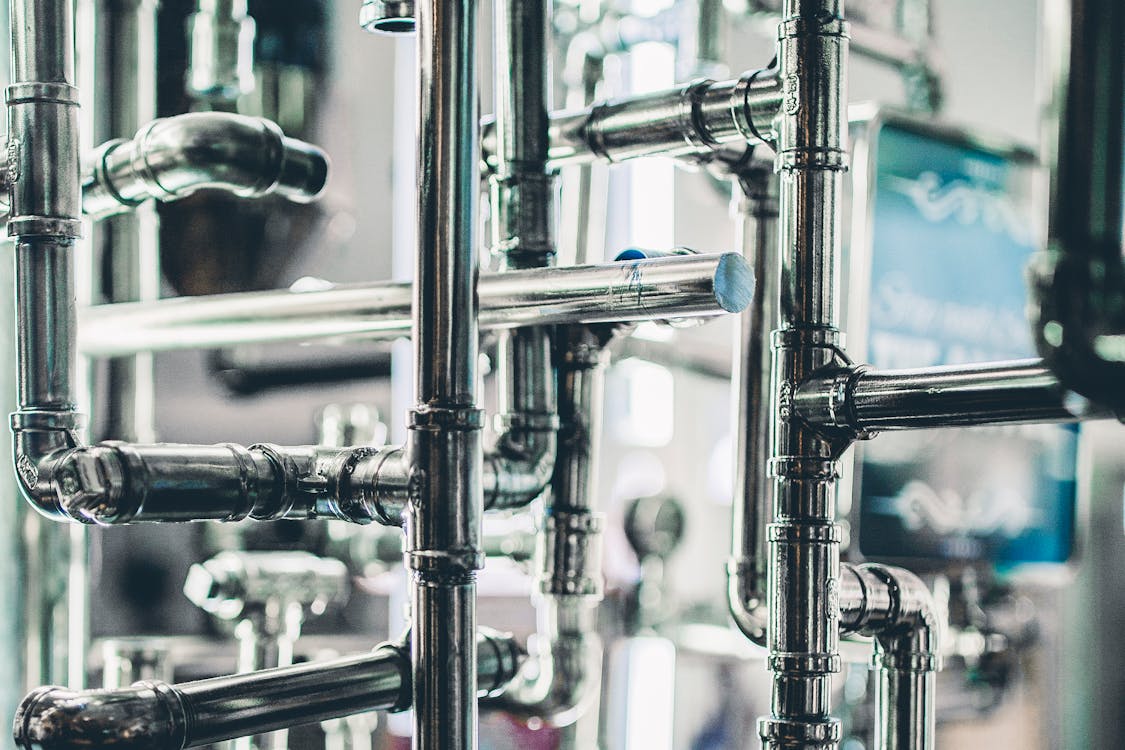
Nickel rich alloys shine where chlorides, sulfide bearing waters, and oxidizing acids are present and where high temperature corrosion is a concern. The alloying elements that make them corrosion resistant also help them retain strength at elevated temperature and resist chemical attack that would rapidly degrade lesser alloys.
They are more costly per kilogram but their resistance to rapid localized loss often makes them cheaper in life cycle terms when downtime and repair are tallied. When choosing such alloys the engineer must keep an eye on weld filler compatibility and fabrication heat input to avoid unintended microstructural changes.
Duplex And Super Duplex Alloys For Strength And Resistance
Duplex alloys combine austenitic and ferritic phases to deliver higher strength and improved resistance to chloride induced cracking than standard austenitic steels.
Their two phase microstructure gives a balance of mechanical properties and corrosion resistance that works well for seawater handling and for chemical services where both pressure containment and oxidation resistance matter.
Processing must be controlled to preserve phase balance; too much heat or slow cooling can shift the balance and reduce performance. When thinking about replacement intervals the higher allowable stress for duplex steels can often shrink pipe wall thickness and save weight.
Copper Alloys And Aluminum In Special Cases
Non ferrous metals such as copper based alloys and aluminum have roles where conductivity, weight savings, or resistance to specific media is required. Copper alloys resist biofouling and certain forms of chloride stress in seawater applications while aluminum offers a high strength to weight ratio for transportable lines and low temperature work.
Their welding and joining practices and galvanic compatibility with adjacent metals require careful planning so the cure is not worse than the disease. For small bore lines and cooling circuits these metals can be a smart choice when matched to fluid chemistry.
Surface Treatments And Coatings For Added Protection
Metal selection can be complemented by surface treatments that add a barrier layer or change the electrochemical behavior of the substrate metal. Options range from conversion coatings and passivation baths to thermal spray and polymer based linings that give multiple layers of protection against attack.
Surface finish and geometry matter too because rough profiles and crevices concentrate stress and feed localized corrosion, a situation that invites trouble in the long run. A good paint or lining can postpone replacement, but it requires inspection and repair planning to keep it working.
Welding Fabrication And Joining Best Practices
Joining practices influence long term resistance of welded structures more than many designers expect, with heat affected zones and dilution effects altering alloy chemistry locally. Preheat and post weld heat treatment, choice of filler metal, and control of interpass temperature are practical levers that preserve corrosion resistance and mechanical integrity.
Fast repairs in the field often skip these steps, and the result is weakened zones that act like the weakest link in a chain. Skilled weld procedures and training reduce the chance that a sound pipe turns into an accident waiting to happen.
Monitoring Inspection And Maintenance Protocols
A sound alloy selection must be paired with inspection that detects early signs of trouble such as thinning, pitting, or crack initiation before they reach failure size. Techniques from ultrasonic wall thickness measurements to internal video inspections and electrochemical monitoring are part of a modern toolbox that keeps a finger on the pulse of the system.
Data guided maintenance lets teams schedule repairs during planned outages and avoid surprise stoppages that drive up cost. It is often true that the best alloy can be undone by poor inspection practice, so the program is as important as the material.
Cost Life Cycle And Decision Factors
The upfront price of high alloy materials can be offset by longer intervals between intervention and by lower risk of catastrophic leaks that hit safety and environmental goals. Life cycle evaluation looks beyond the cost per kilogram to include installation, inspection, maintenance, and end of life handling so that the total picture is clear.
Risk tolerance, replacement windows, and availability of skilled labor for fabrication affect the ranking of candidate materials on any list. When budgets are tight a balanced approach that blends higher alloy content in the most vulnerable zones with more economical alloys elsewhere often delivers the best value.
